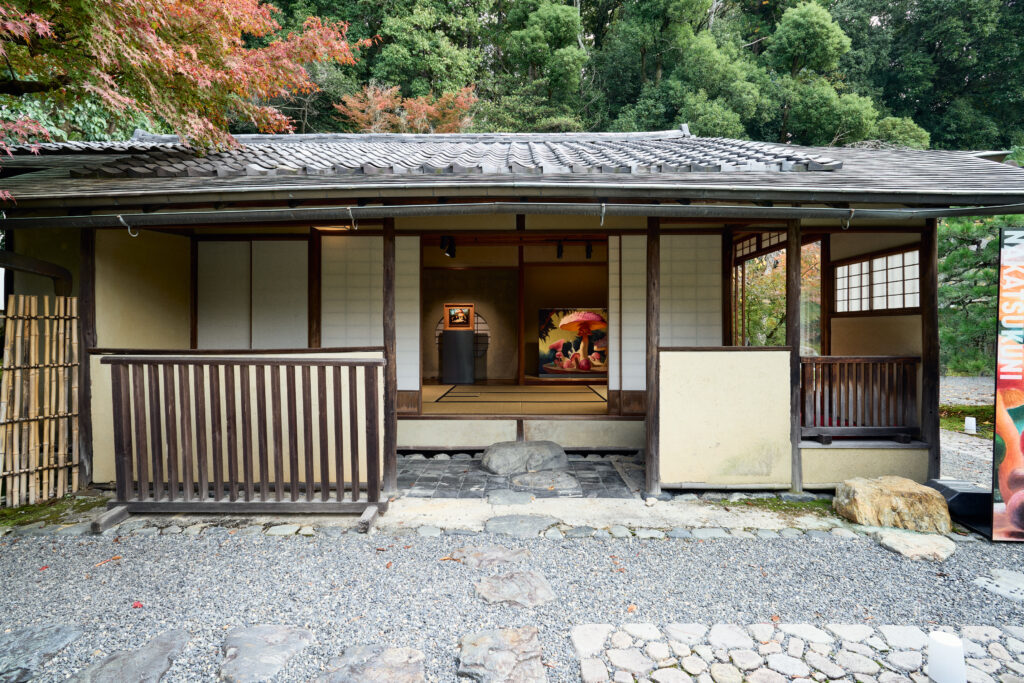
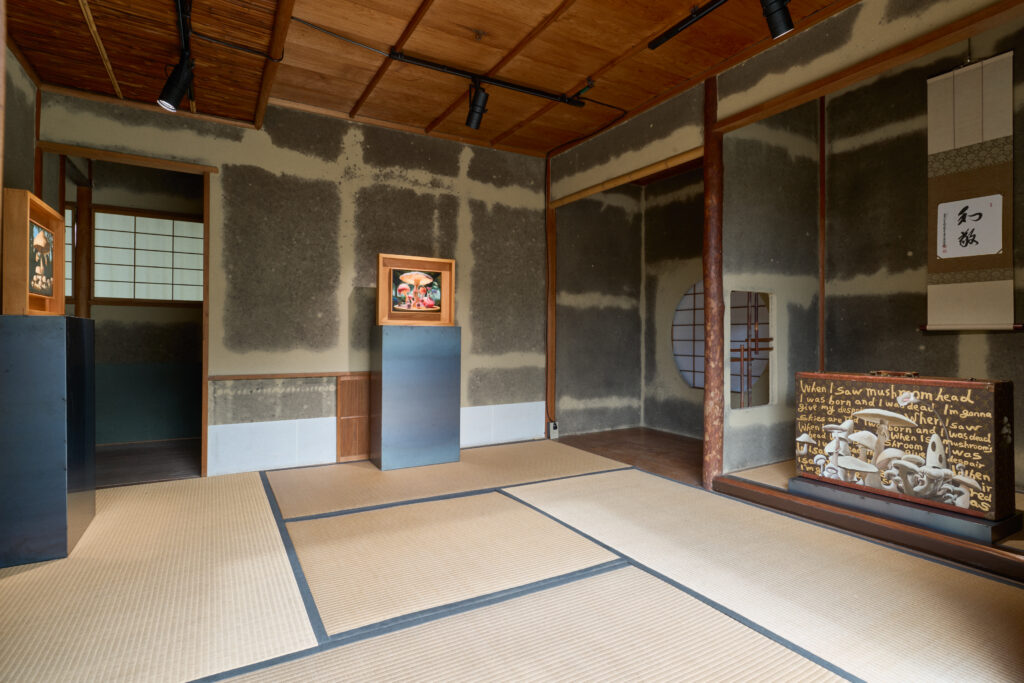
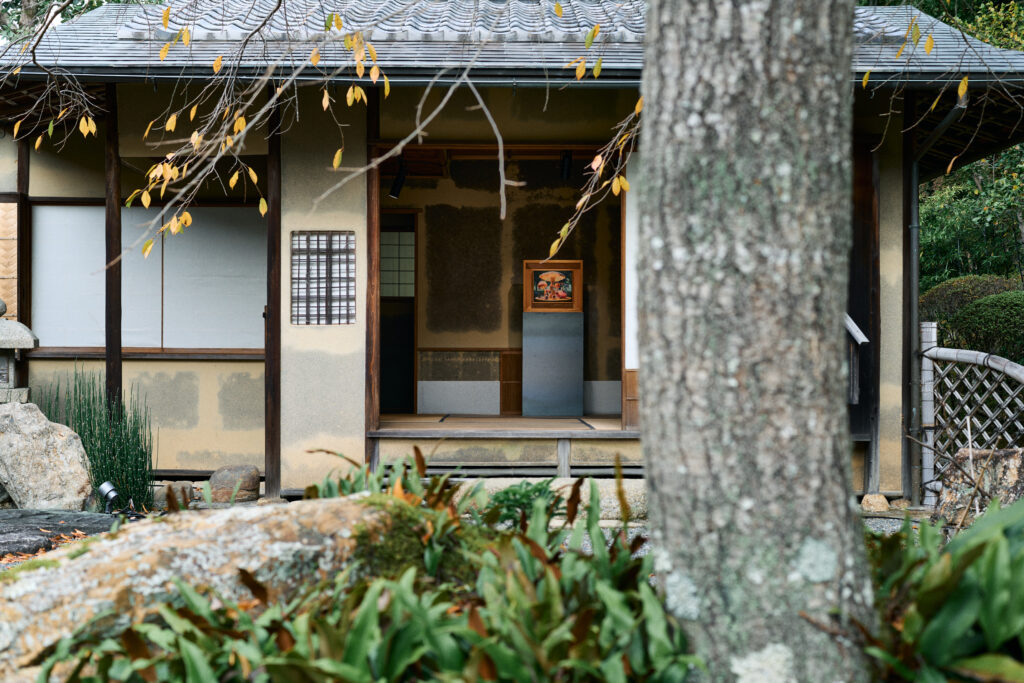
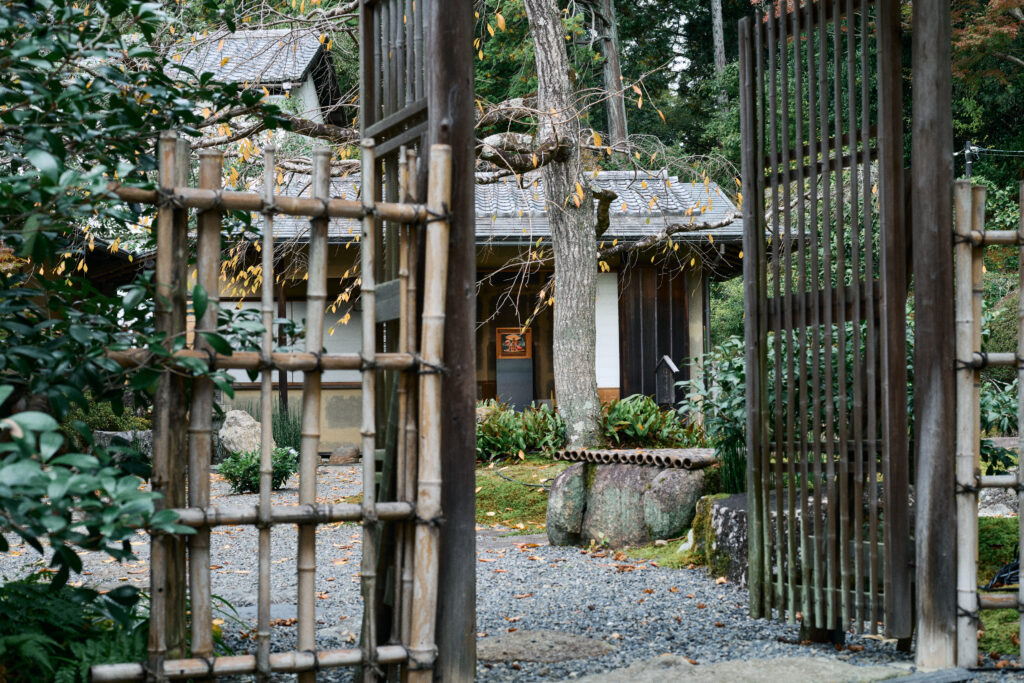
Located in Okazaki, Kyoto, the Jodo sect head temple Konkai Komyo-ji is known as the place where Honen, the founder of Jodo Buddhism, first established his hermitage after leaving Mt. Hiei. From this ground, the foundation of Jodo Buddhism was laid, and the temple has since long been regarded as a threshold connecting this world with the Pure Land. This exhibition unfolds within the temple’s tea house and garden—spaces charged with both intimacy and symbolism—bringing together two contemporary artists to explore new narratives that emerge between tradition and contemporaneity, East and West, life and afterlife.
The title Middle Lands derives from Nakatsukuni in Japanese mythology, the realm of human beings situated between the domain of the gods and the land of the dead. It resonates with the temple as a religious stage that embodies the idea of “in-between,” while also reflecting the mythic imagery evoked by the participating artists.
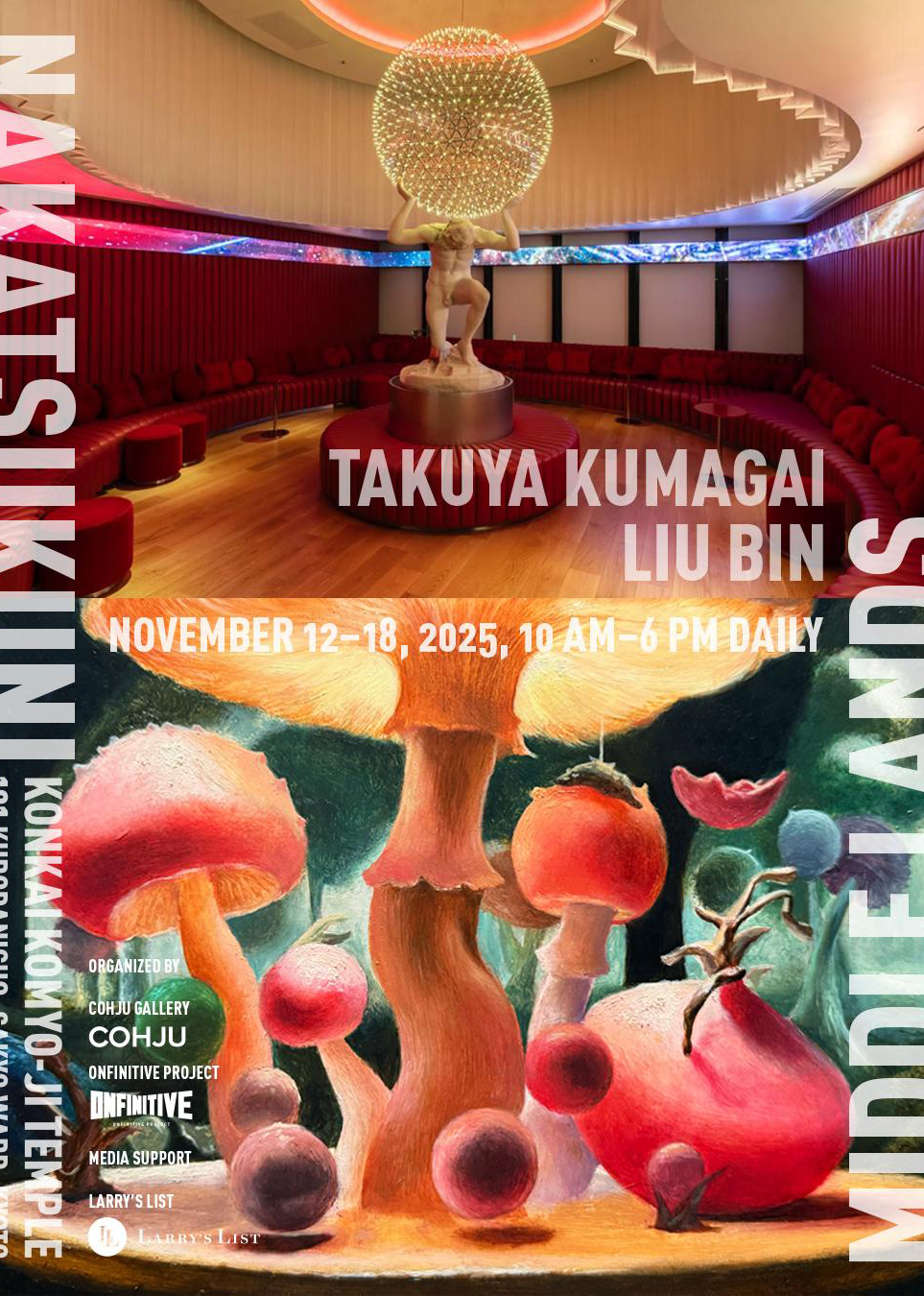
Takuya Kumagai has been working with the question of how a Japanese artist can engage with the corporeality of Western classical sculpture. For this exhibition, he presents sculptural works that evoke the gravitas of Greek statuary yet are produced through lightweight 3D printing. Employing the playful format of the capsule toy (gacha), his works oscillate between monumentality and everydayness, creating an interactive experience that destabilizes the boundaries between them.
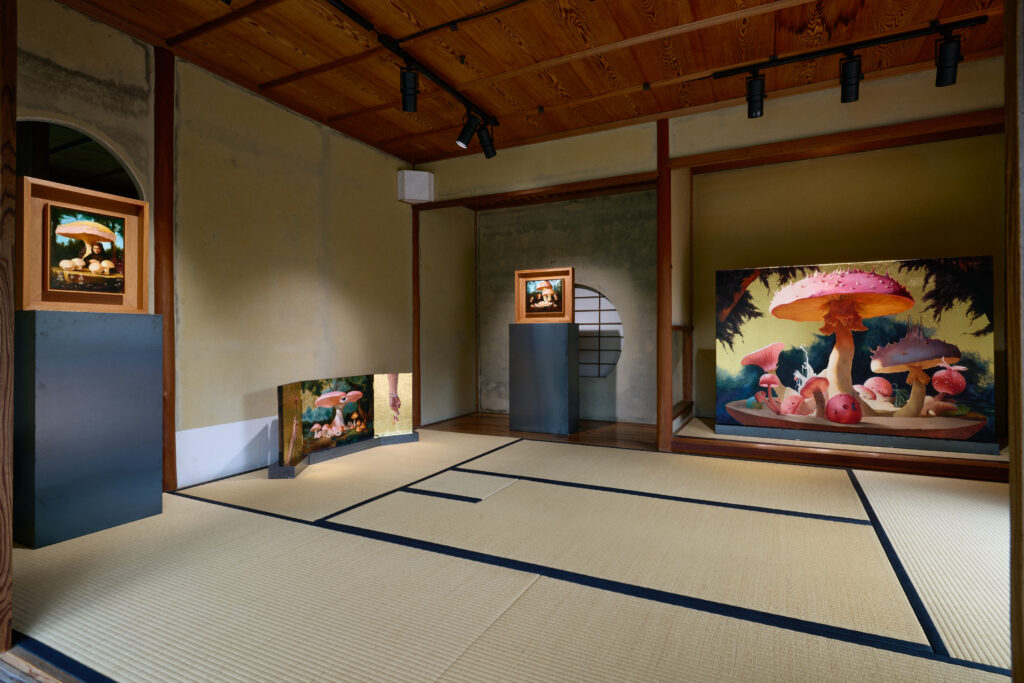
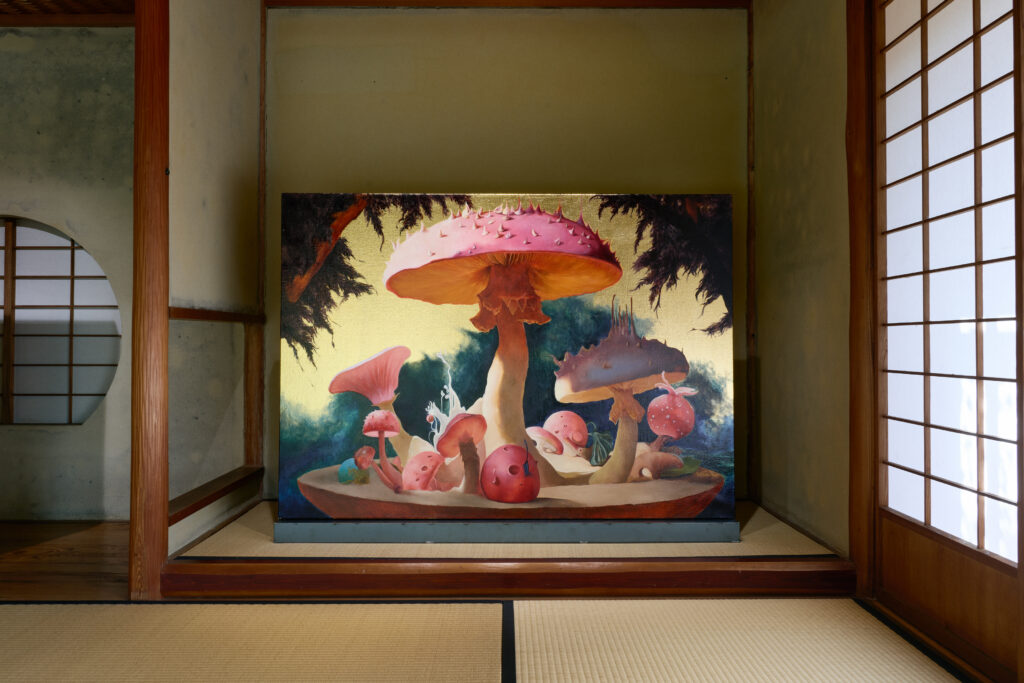
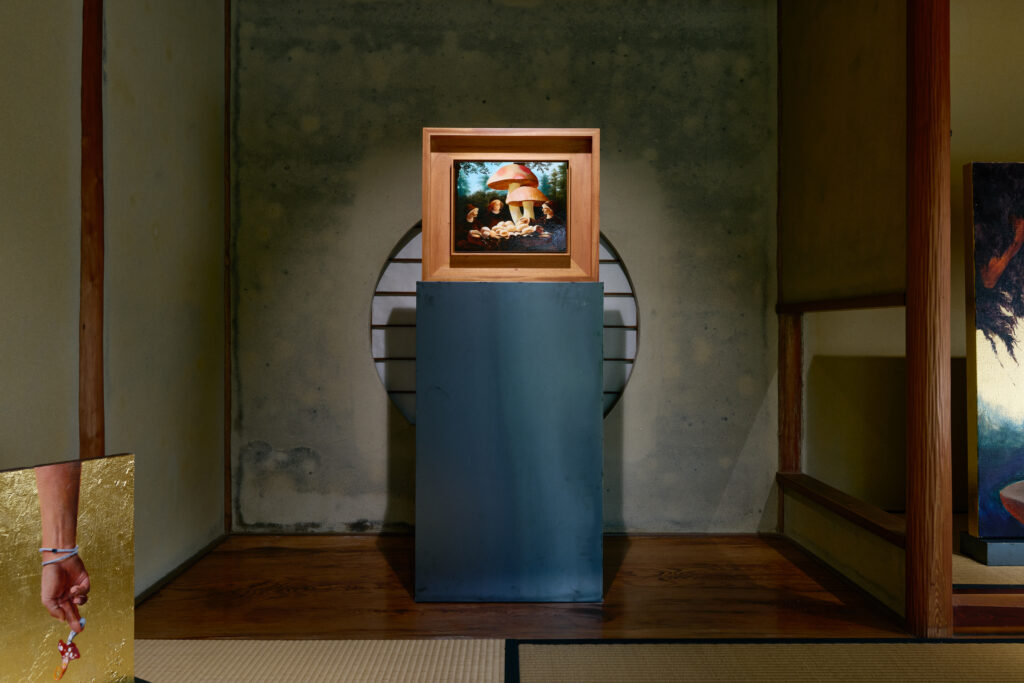
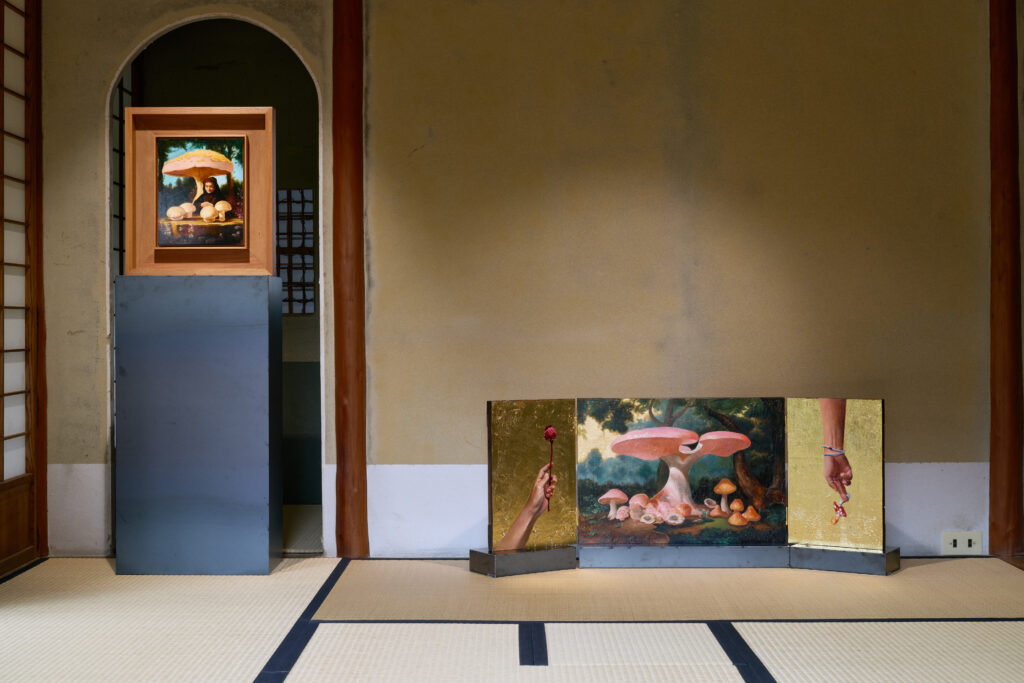
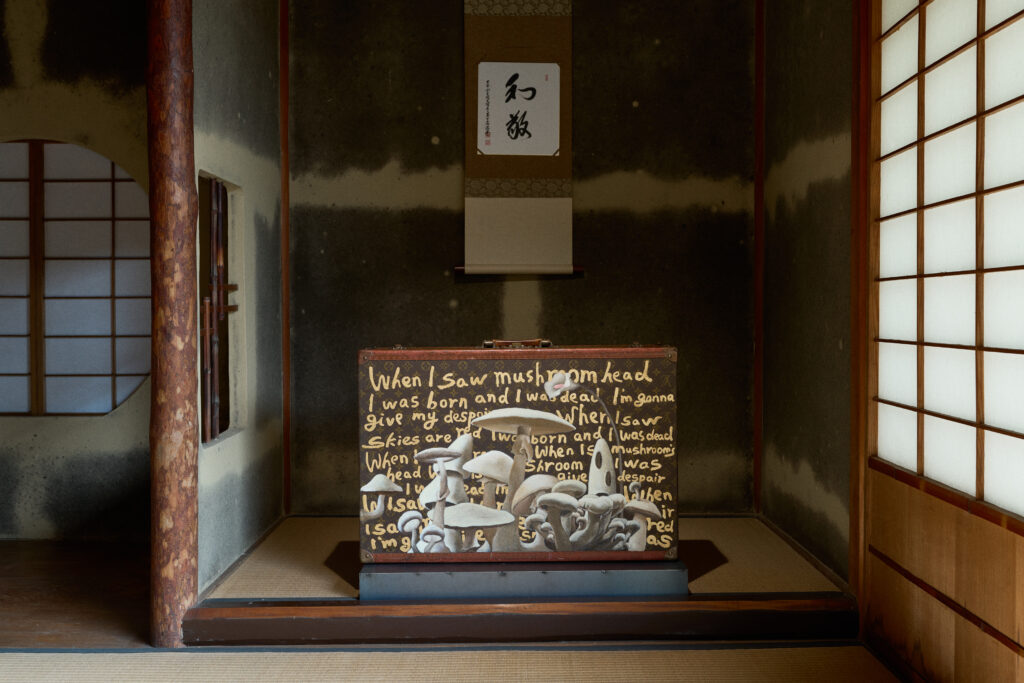
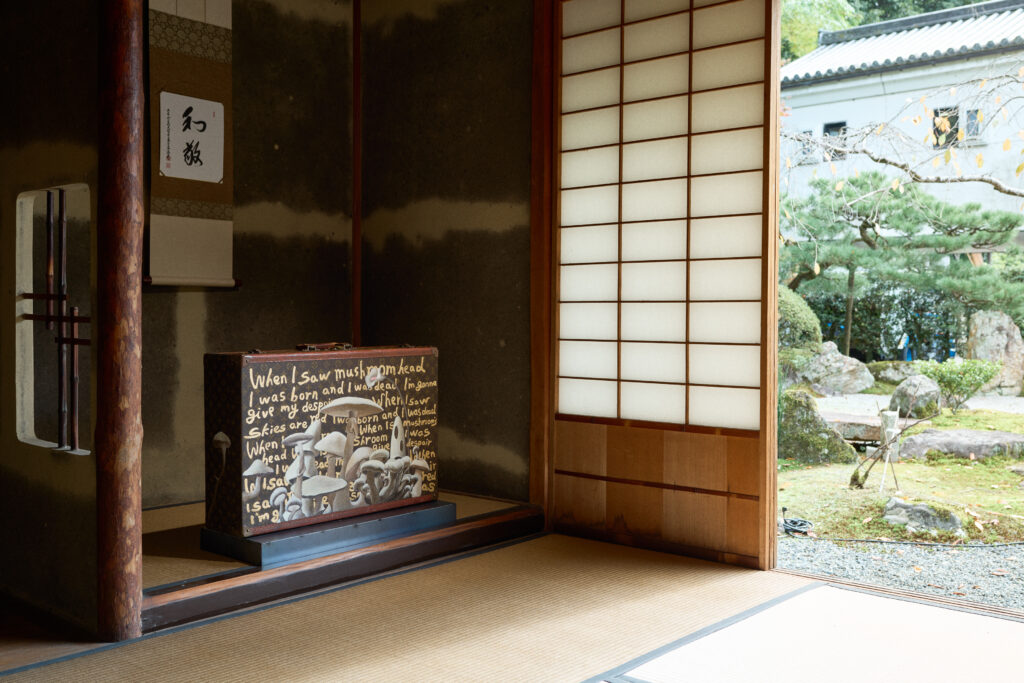
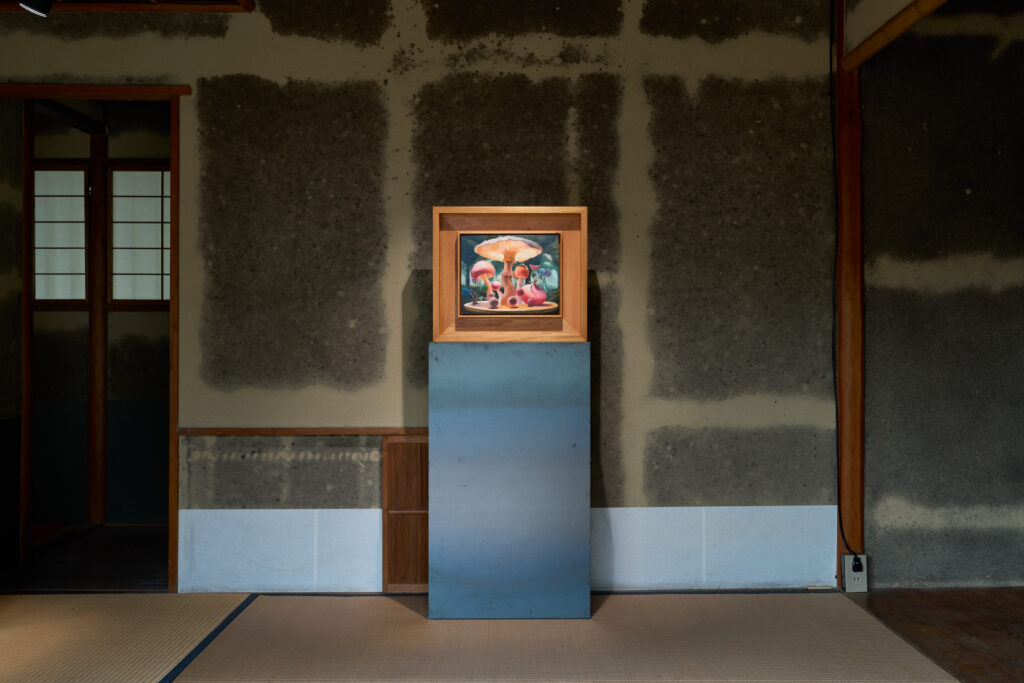
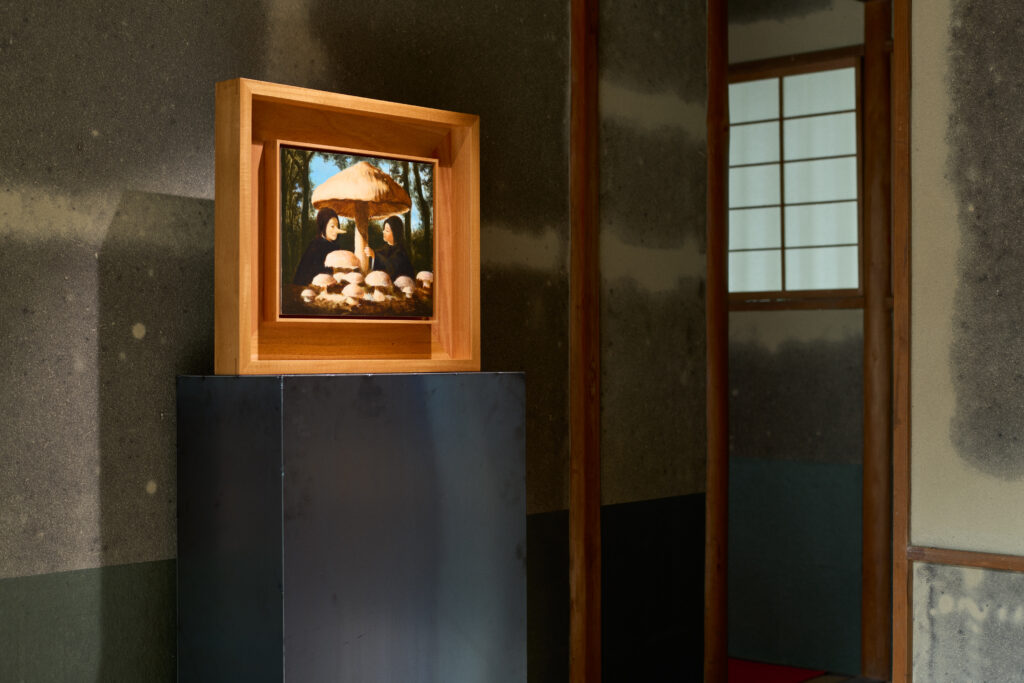
Liu Bin takes mushrooms—long present in myth and folklore—as symbolic motifs. Mushrooms nourish as food, yet some are poisonous and fatal; others induce hallucinatory states that open visions of another world. In their ambivalence—between sustenance and death, reality and hallucination—mushrooms occupy a peculiar place across cultures and histories. Liu Bin’s works channel this duality into surreal and playful forms, inviting viewers into a fantastical realm where familiarity and danger intermingle.
By staging such mythic imagery within the layered historical and spiritual context of Konkai Komyo-ji, Middle Lands creates a site of cross-cultural dialogue, weaving together tradition and modernity, ritual and play.
Liu Binは、神話や寓話に登場するキノコを象徴的なモチーフとして扱い、遊び心とシュルレアリスム的な想像力に満ちた作品を展開します。キノコは食材として生命を支える一方で、毒をもって人の命を奪い、さらに幻覚を通じて異界を垣間見せる存在でもあります。日常と死、現実と幻想を往還するその両義的な性質は、古今東西の神話に特異な影を落としてきました。彼の作品はそのイメージを軽やかに戯れさせ、観る者を親しみと危うさが交錯する幻想的な領域へと誘います。